

A veterinary compounding pharmacy is a pharmacy where trained compounding pharmacists mix, alter or combine ingredients to prepare customised medications for animals, made to order on a veterinarian’s prescription.
It exists because manufactured pet medicine is built for an average animal, and plenty of patients are not average.
A cat, a dog, a cockatiel and a python cannot all be dosed accurately from the same tablet. Veterinary compounding closes that gap by changing the strength, the flavour or the form of a medicine your vet has already prescribed.
Your vet examines the animal, diagnoses the problem and writes the prescription. A compounding pharmacist prepares it. Every compounded preparation is made for one named animal, and a valid prescription is required.
This article is general information only and is not veterinary advice. Always consult your veterinarian about your pet’s health and any medication.
What a Veterinary Compounding Pharmacy Does
A regular pharmacy dispenses medicines that arrive already made, in fixed strengths and forms. A compounding pharmacy prepares them from raw ingredients, one patient at a time.
A veterinary compounding pharmacy applies that to animal patients, where species differ in size, physiology, taste sensitivity and what they will tolerate being given.
Two things define the process. The preparation is made for one individual animal, and it begins with a visit to your vet rather than a request from an owner.
In practice, that means:
- Made to order for one named animal on a vet’s prescription, never held ready-made on a shelf as office stock.
- Quality-controlled ingredients, batch-tested and pharmaceutical-grade, with raw chemicals sourced from reputable manufacturers.
- Pharmacists who compound daily, working alongside veterinarians and veterinary practices, in close collaboration with the practitioners who prescribe.
Why Vets Prescribe Compounded Medications for Pets
Custom Dosages for Every Size and Species
Standard tablets come in strengths that suit average patients. Splitting one for a small pet is imprecise, which risks over-dosing or under-dosing.
Compounding lets the exact strength your vet prescribed be prepared for that animal, whether a kitten, a giant breed dog or an exotic patient like a bird or a reptile.
Common examples include the long-term conditions vets manage for years, such as diabetes, thyroid disease, supportive care during cancer treatment and chronic pain, where the dose has to be right for one animal in order to treat it safely.
Flavours Your Pet Will Accept
Many medicines are bitter, and an animal that tastes one will refuse it thereafter.
Oral liquids, pastes and chews can be prepared in flavours pets associate with food, including chicken, beef, fish and malt, which turns a daily fight into something manageable.
A flavouring the animal actually accepts is what supports compliance, and that matters most when a course has to be given twice a day for a week or longer.
A Different Form When Pills Are Refused
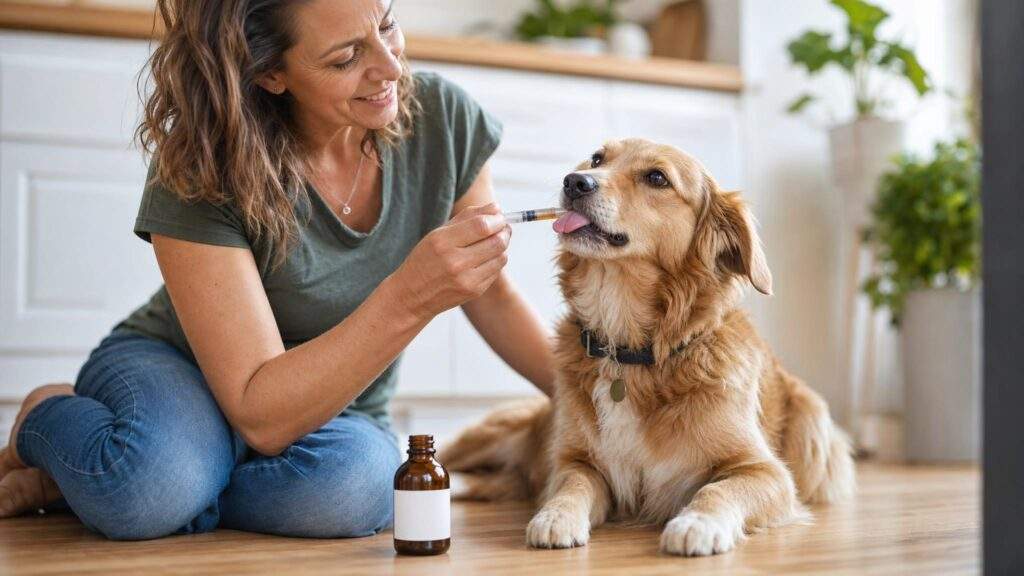
If an animal refuses tablets altogether, the same prescribed medicine can often be prepared as a liquid suspension, a transdermal gel applied to the skin, a pump-dispensed cream or a medicated chew.
It is the compounding pharmacist’s job to create a form the animal will accept, and that is where compounding delivers its clearest benefit to patient care.
Removing Ingredients Your Pet Reacts With
Preparations can be made without dyes, preservatives, lactose or other additives that upset animals with digestive sensitivities or known allergies.
For an allergic or sensitive patient, that can be the difference between finishing a course of treatment and abandoning it.
Discontinued and Unavailable Medications
When a manufacturer stops producing a formulation, or the market runs short, a compounding pharmacy can often prepare an equivalent on prescription.
Multiple medications can also be combined into one preparation where your vet considers it appropriate, cutting the number of doses you give.
Standards, Safety and What Compounding Cannot Do
At McKenzies, compounding is carried out in a laboratory separate from the retail pharmacy, with a sterile laboratory built to USP <795> and <797> guidelines where a sterile preparation is required.
The limits are worth stating. Where a registered veterinary product exists in a suitable strength and form, it is usually the right choice. Compounding is for the cases it does not cover. Compounded preparations are not registered products, and they are not safer or more natural by default.
Whether a compounded medicine suits your animal is a clinical judgement for the veterinarian who knows the patient, and the Australian Veterinary Association has general guidance for owners.
Need a Compounding Chemist for Your Pet? Get in Touch with McKenzie’s Compounding Chemist Today!
If your vet has prescribed something your pet won’t take, or a dose that doesn’t come ready-made, we can help.
Our compounding pharmacists prepare veterinary medications daily, working closely with vets across Perth and beyond.
Talk to your veterinarian first about whether a compounded preparation suits your animal.
Then bring the prescription to McKenzie’s Compounding Chemist, and we’ll prepare it for your pet.