

Compounded medications for birds provide custom dosages, palatable flavours, and specialised delivery methods so that medicines can be given safely to unique avian species. Rather than relying on standard tablets made for larger animals, a compounding pharmacy can prepare a treatment that suits a bird’s tiny body and fast metabolism, on a prescription from your… Continue reading Common Compounded Medications for Avian Conditions
Category: Blog
Risks of Bioidentical Hormone Replacement Therapy

Bioidentical hormone replacement therapy (BHRT) carries risks broadly similar to those of conventional HRT, including an increased chance of breast cancer, blood clots, stroke, and endometrial cancer. Compounded BHRT preparations introduce additional considerations around quality standards and the importance of adequate progestogen inclusion. Common side effects include weight changes, acne, mood swings, bloating, and breast… Continue reading Risks of Bioidentical Hormone Replacement Therapy
How Reptile Compounding Works
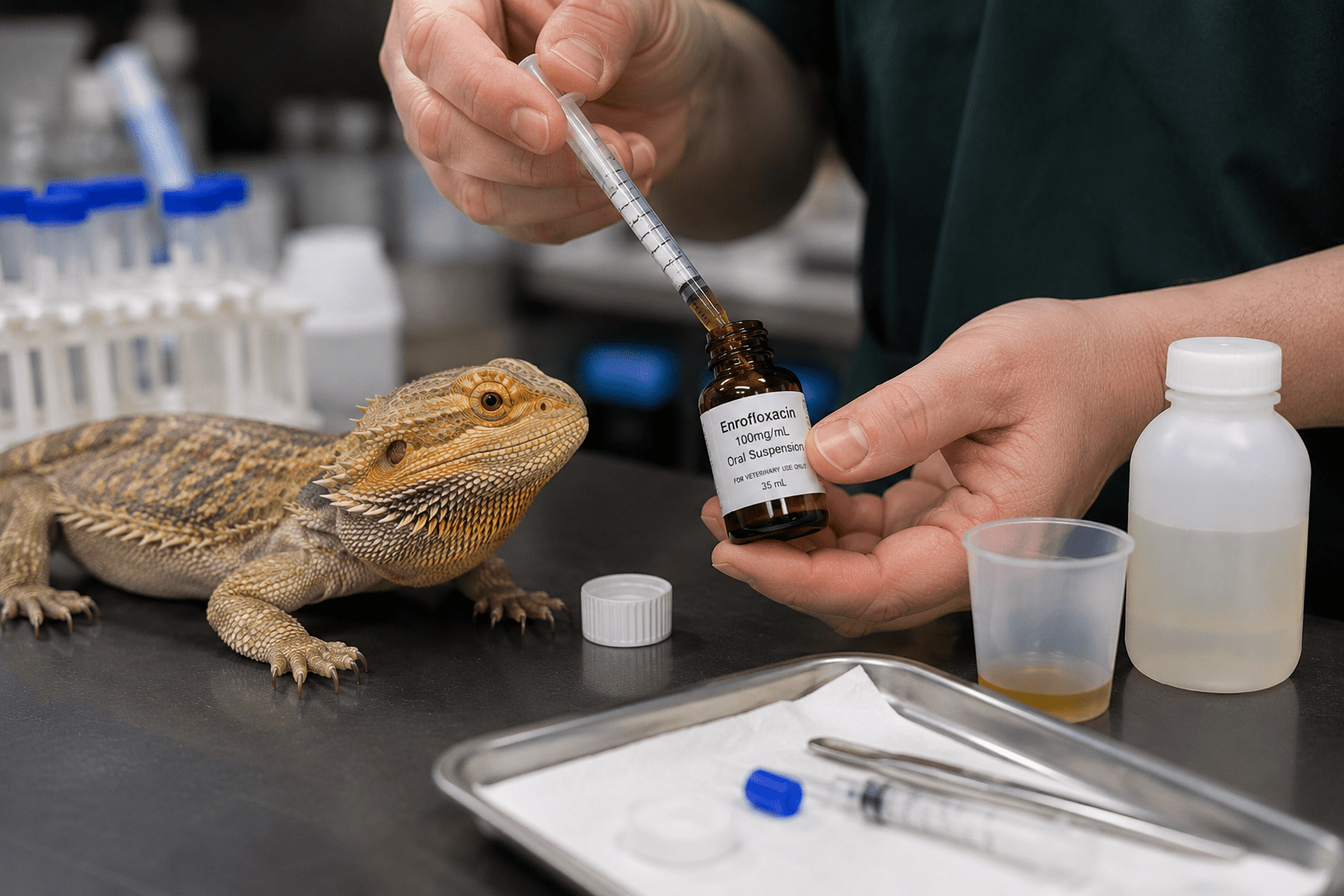
Reptile compounding is the specialised pharmaceutical practice of customising medications to meet the unique health needs of reptiles and other exotic pets. Reptiles vary enormously in size, metabolism, and species-specific physiology. Standard commercial medications are often unsuitable for them, or simply do not exist. A compounding pharmacist works with your veterinarian to create tailored medications… Continue reading How Reptile Compounding Works
Bioidentical Hormone Replacement Therapy vs HRT

When it comes to hormone therapy, two terms come up often: bioidentical hormone replacement therapy (BHRT) and traditional hormone replacement therapy (HRT). Both aim to address hormonal imbalances, but they differ in how hormones are sourced, structured, and prescribed. Traditional HRT uses synthetic or animal-derived hormones that approximate, but are not identical to, those the… Continue reading Bioidentical Hormone Replacement Therapy vs HRT
What Are Atropine Eye Drops?

Atropine eye drops, commonly formulated using atropine sulphate, are a prescription ophthalmic medication with several important uses in eye care. They work by blocking a chemical signal called acetylcholine, which relaxes the eye’s focusing muscle (the ciliary muscle) and causes the pupil to dilate. This dual action, mydriatic (pupil-widening) and cycloplegic (muscle-relaxing), is what makes… Continue reading What Are Atropine Eye Drops?
6 Benefits of Compounded Eye Drops

Compounded eye drops provide personalised treatment options when commercially available medications are not suitable for a patient’s needs. Unlike standard eye drops that are manufactured in fixed formulations, compounded eye drops are prepared by specialised pharmacists who can adjust ingredient concentrations, remove preservatives, combine multiple medications into a single drop, or recreate treatments that are… Continue reading 6 Benefits of Compounded Eye Drops
Compound Chemist vs Regular Chemist
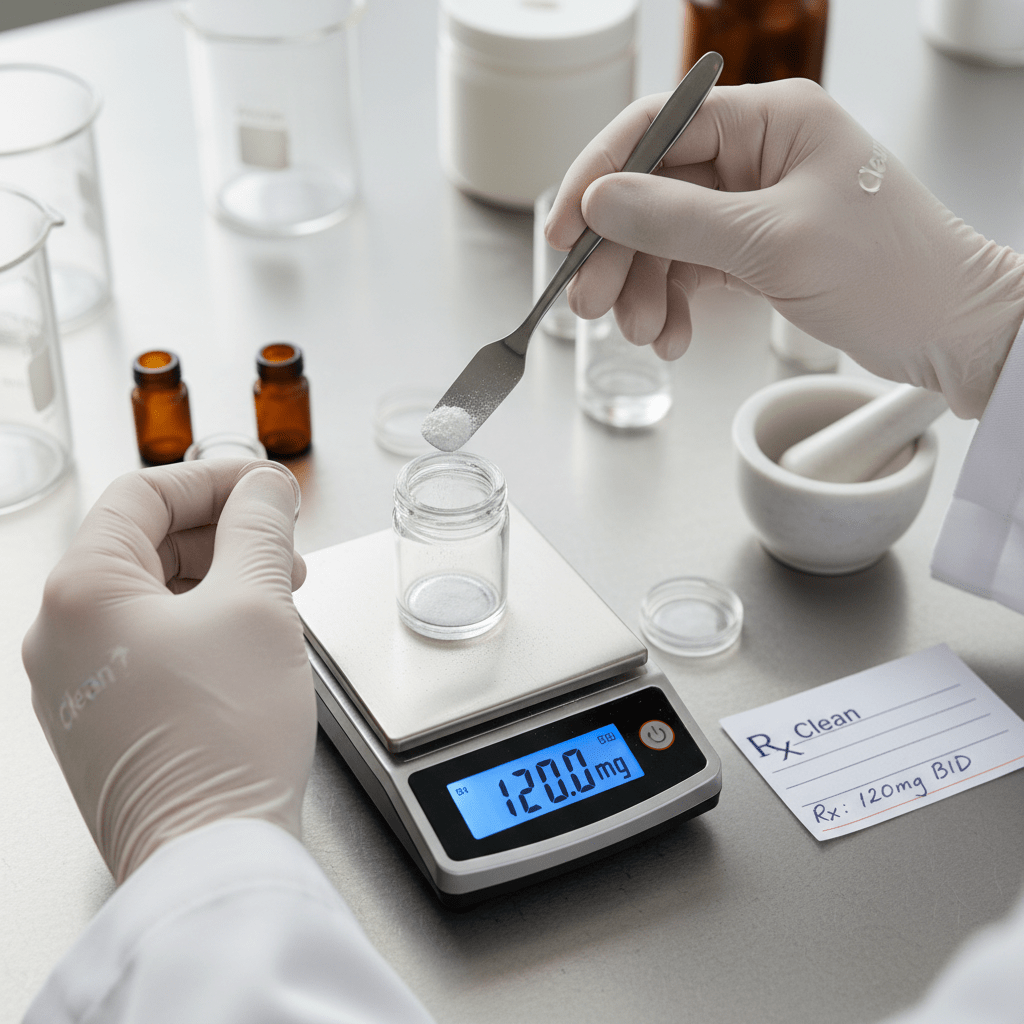
A compound chemist and a regular chemist both dispense prescription medications, but they serve different purposes. A regular chemist provides commercially manufactured medicines that come in standard doses and forms, while a compound chemist prepares customised medications specifically tailored to an individual patient’s needs. Compounding pharmacies can adjust dosage strengths, remove allergens, change medication forms,… Continue reading Compound Chemist vs Regular Chemist
7 Advantages of a Compound Chemist

A compound chemistcreates customised medications tailored to individual patient needs. Key advantages include personalised dosages, alternative delivery forms such as liquids or creams, and allergen-free formulations that exclude dyes, lactose, gluten, or other irritants. Compounding also provides access to discontinued medications and allows multiple ingredients to be combined into one simplified treatment. By flavouring medicines… Continue reading 7 Advantages of a Compound Chemist
6 Benefits of Bioidentical Hormone Replacement Therapy

Bioidentical hormone replacement therapy (BHRT) uses plant-derived hormones that are chemically identical to those naturally produced by the body. It is commonly used to support women experiencing menopause and perimenopause symptoms such as hot flashes, night sweats, mood changes, fatigue, and vaginal dryness. The benefits of bioidentical hormone replacement therapy may include improved sleep quality,… Continue reading 6 Benefits of Bioidentical Hormone Replacement Therapy
What Is a Compounding Chemist in Australia?

A compounding chemist is a specially trained and licensed pharmacist who prepares customised medications for individual patients when standard, commercially available medicines are not suitable, often working within a specialist compounding pharmacy. In Australia, compounding chemists work under strict professional standards and regulatory oversight from the Pharmacy Board of Australia, the Therapeutic Goods Administration (TGA),… Continue reading What Is a Compounding Chemist in Australia?